




Per- and Polyfluoroalkyl Substances (PFAS)
Emerging Contaminants

Per- and Polyfluoroalkyl Substances (PFAS)

Within emerging contaminants, per- and polyfluoroalkyl substances (PFAS) constitute a class of thousands of distinct fluorinated organic compounds, each with its specific molecular makeup and physicochemical properties. Since the 1950s, PFAS have been used in manufacturing, chemical production, defense, and fire-extinguishing aqueous film-forming foams (AFFF). The growing concern surrounding PFAS stems from their potential toxicity to human health and the environment, alongside the increasing frequency of their detection in environmental media, humans, wildlife, consumer goods, and food. The high chemical stability and dual water- and oil-repellent nature of PFAS, while beneficial in many applications, create significant challenges for environmental management once released.

Trihydro leverages our internal team of PFAS experts to address these challenges. Our guiding principle for PFAS-impacted sites is integrating site-specific data with evolving regulations and the latest scientific advancements in characterization and remediation technologies. Our team has direct experience leading nature and extent investigations for PFAS, including:

  • Conceptual site model development
  • Work plan preparation
  • Environmental sampling
  • Analytical data interpretation

Based on the investigation outcome, Trihydro develops a commensurate remedial strategy for the impacted media. Trihydro’s multi-disciplinary team also offers services including:

  • Fate and transport analysis
  • Risk assessment
  • Toxicology
  • Occupational health and safety
  • PFAS compliance reporting
  • AFFF changeout
  • Water treatment
  • Data validation
  • Litigation support
FRITZ KREMBS, PE, PG
Trihydro Point of Contact
FRITZ KREMBS, PE, PG
Director of Remediation
1,4-Dioxane
Emerging Contaminants

1,4-Dioxane

Historically, the emerging contaminant 1,4-dioxane served as a stabilizer in chlorinated solvents and was utilized in specialty industrial processes. It is also a by-product of surfactant production and is commonly found in groundwater at sites contaminated with chlorinated solvents. 1,4-dioxane’s unique properties—a low propensity to vaporize from water, completely soluble in water, and a low tendency to bind to soil—increase its impacts on groundwater.

Trihydro is experienced in conducting site characterization, data validation, and remediation related to 1,4-dioxane. Our experts have successfully applied various treatment technologies, including:

  • In situ chemical oxidation using persulfate, ozone, and permanganate
  • In situ bioremediation using co-metabolism and bioaugmentation
  • Monitored natural attenuation
  • Phytoremediation

We also offer comprehensive support in screening and piloting technologies to identify the best approach for specific site conditions.

FRITZ KREMBS, PE, PG
Trihydro Point of Contact
FRITZ KREMBS, PE, PG
Director of Remediation
Microplastics
Emerging Contaminants

Microplastics

As an emerging contaminant, microplastics (MPs) encompass a diverse range of synthetic polymer fragments, generally measuring less than 5 millimeters – about the size of a sesame seed. MP sources include single-use consumer plastics, industrial abrasives, microbeads in personal care products, synthetic textiles, and tire wear. MPs break down into nanoplastics (NPs), which are 1 micrometer or smaller, or about the size of a dust particle, posing an even greater environmental risk.

Concerns surrounding MPs and NPs arise from their widespread presence and potential impacts on ecosystems and human health. Their small size and persistence allow for ingestion by organisms, potentially leading to physical harm, bioaccumulation of associated chemicals, and disruption of food webs. MPs and NPs can also act as vectors for other pollutants, increasing the complexity of environmental contamination. Trihydro’s expertise in MPs and NPs focuses on:

  • Regulatory developments and research tracking
  • Compliance
  • Site and risk assessment
  • Remediation
FRITZ KREMBS, PE, PG
Trihydro Point of Contact
FRITZ KREMBS, PE, PG
Director of Remediation
6PPD
Emerging Contaminants

6PPD

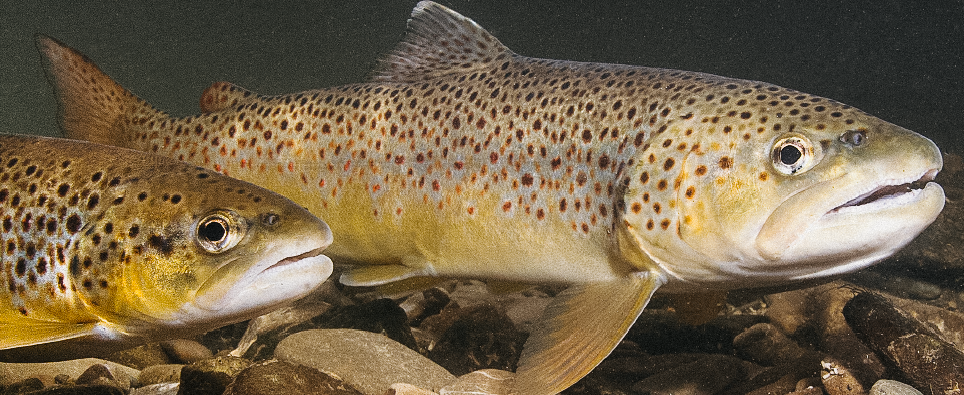
Widely employed as an antioxidant and antiozonant, the emerging contaminant 6PPD is often incorporated into tire manufacturing processes. Its function is to inhibit the degradation of rubber compounds, consequently prolonging tire lifespan and optimizing performance through protection from ozone cracking and oxidative damage. Consequently, 6PPD is present in tire-wear particles that are released into the environment through abrasion. Growing environmental concerns about 6PPD relate to its transformation products, particularly 6PPD-quinone, which is acutely toxic to certain aquatic species, especially coho salmon, and is implicated in widespread die-offs in urban streams. Understanding these compounds’ fate, transport, and toxicity is crucial for effective environmental management.

Trihydro’s approach to addressing our clients’ challenges related to 6PPD and its transformation products relies on our expertise in environmental chemistry, toxicology, and ecological risk assessment. Our multidisciplinary team is experienced in developing sampling and analytical strategies to identify and quantify 6PPD and its degradation products in various environmental matrices. We focus on understanding the sources and pathways of these compounds and support our clients in navigating regulations and developing mitigation and management strategies for tire-related contaminants.

FRITZ KREMBS, PE, PG
Trihydro Point of Contact
FRITZ KREMBS, PE, PG
Director of Remediation
1,2,3 Trichloropropane (1,2,3-TCP)
Emerging Contaminants

1,2,3 Trichloropropane (1,2,3-TCP)

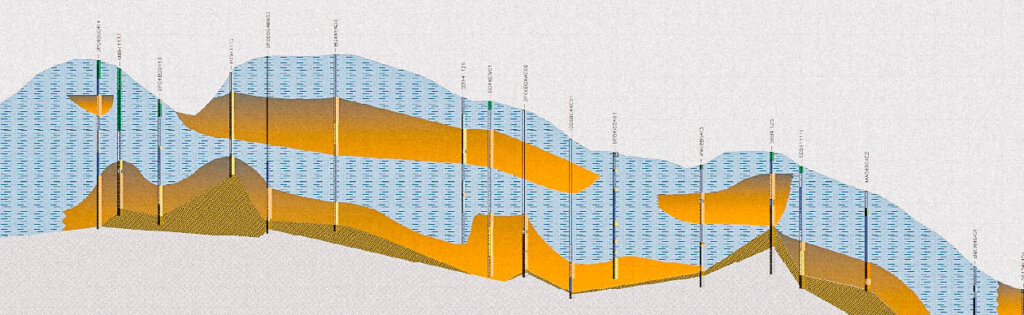
Once used extensively as part of agricultural operations and solvent production, 1,2,3-TCP has become a challenge for regulated entities due to its parts per trillion screening levels as well as the low soil sorption coefficient. These unique characteristics have resulted in elongated groundwater plumes requiring large spatial site characterization efforts and strategic plume control measures. Trihydro has been supporting 1,2,3-TCP assessment and remediation since 2013. Our team is experienced in supporting clients with complex 1,2,3-TCP sites, offering services such as passive diffusion bag sampling, public outreach and water replacement, 3D plume modeling and visualization, background studies, conceptual site model development, hydraulic control system design and installation, and expert testimony.

FRITZ KREMBS, PE, PG
Trihydro Point of Contact
FRITZ KREMBS, PE, PG
Director of Remediation

Contact me to get started