Former Solvent Recycling Facility Environmental Remediation Plan
Trihydro is implementing a comprehensive environmental remediation plan and supporting site closure at a former Kentucky solvent recycling facility with legacy contamination impacting soil and groundwater.
Implementing a Remediation System
Trihydro conducted an environmental site assessment and identified chlorinated solvent contamination in the site’s soil and groundwater. To address this, Trihydro is implementing a comprehensive cleanup plan that combines techniques like dual-phase extraction, bioremediation, and phytoremediation.
Initially, Trihydro focused on mitigating surface water infiltration through regrading and restoration efforts. This minimized the potential for rainwater to transport existing contamination.
Trihydro also designed, installed, and operates remediation systems to control groundwater discharge and address deeper contamination. These systems use pump-and-treat methods with extraction trenches and high-vacuum technology. Trihydro managed the entire process, including system design, subcontractor selection, project oversight, and construction safety.
Transitioning to Long-term Solutions
Trihydro is transitioning the site toward more sustainable, long-term solutions. We are operating and maintaining the current systems while evaluating and implementing passive technologies like in situ bioremediation (ISB) and phytoremediation.
In 2013, we submitted a Corrective Measures Study/Corrective Measures Implementation (CMS/CMI) Report to the Kentucky Department of Environmental Protection (KYDEP) and US Environmental Protection Agency (EPA) Region IV. This report detailed the site’s remediation activities, conceptual site model, exposure assessment, risk assessment, and proposed corrective measures.
Following CMS/CMI approval, Trihydro’s data indicated the remediation systems were nearing their full effectiveness. We presented this finding to KYDEP, who agreed to allow a transition towards passive remedies like ISB, phytoremediation, and monitored natural attenuation (MNA). These technologies were initially presented in the CMS/CMI and further evaluated after KYDEP’s approval.
In Situ Bioremediation Implementation
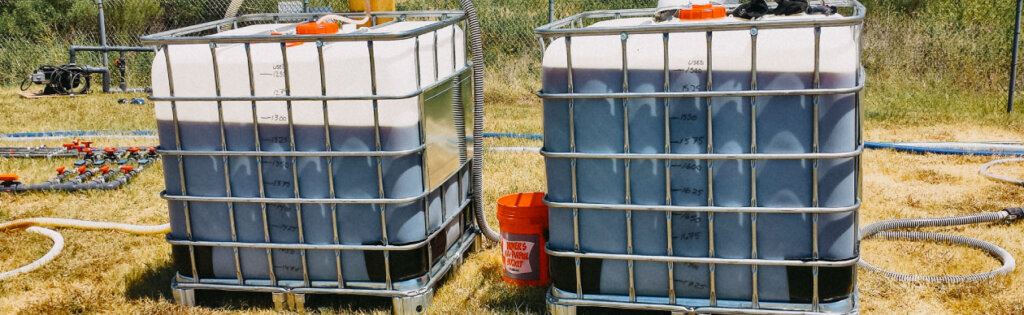
ISB implementation began with a pilot test in 2017, followed by a full-scale rollout in 2019, 2020, and 2022. ISB, combined with previous remedial processes, has reduced chlorinated compounds in targeted areas by up to 99%. EPA Region IV authorizes ISB operations under an Underground Injection Control (UIC) permit.
Phytoremediation System
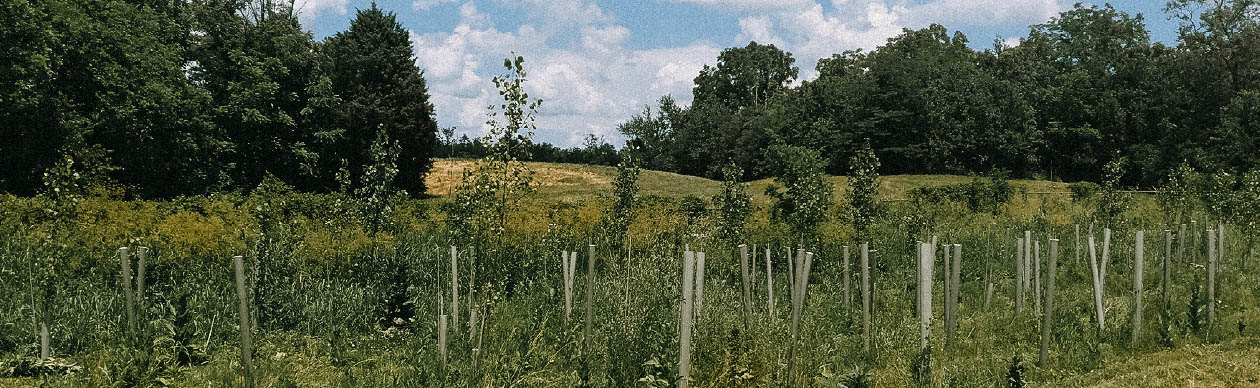
The phytoremediation system involved planting hybrid poplar trees (675 in 2019 and 300 in 2020). Once established, these trees will absorb groundwater at a rate comparable to the extraction trenches, allowing for their eventual decommissioning.
Monitored Natural Attenuation
Long-term MNA monitoring indicates that natural biodegradation is active at the site. Once the current extraction systems are decommissioned, the combined application of ISB, phytoremediation, and MNA will provide sustainable, long-term solutions.
We are also assisting with site closure activities, including document preparation and regulatory negotiations.