Residential Yard Mine Reclamation Assessment
Trihydro provided reclamation assessment and design services to address arsenic, lead, and manganese contamination at three residential properties impacted by legacy mining activities. The urban nature of this project meant that public engagement was critical to project success, and Trihydro prioritized communications and efforts to minimize disruptions or delays to the public.
The Montana Department of Environmental Quality (DEQ) initiated this project to reduce human exposure to metals-contaminated soils in residential properties. The residual metals are believed to be the result of historic ore processing activities in the area.
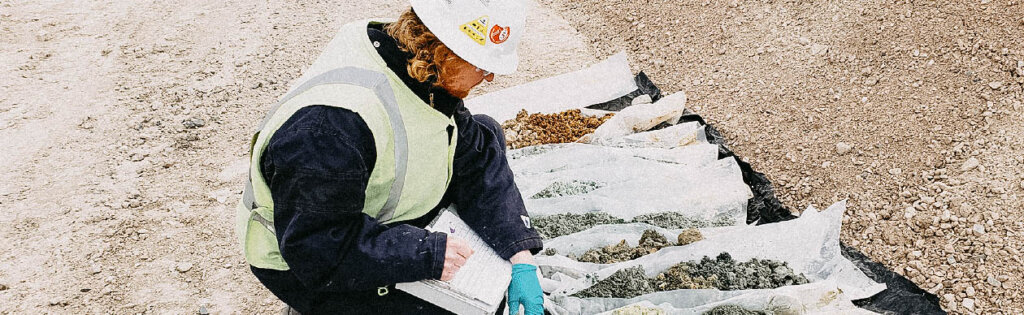
Trihydro’s scope of work included assessment, reclamation design, and reclamation construction coordination to address arsenic, lead, and manganese contamination above residential action levels at three residential properties. The extent of excavation required was estimated based on the results of soil investigations and confirmed in the field through screening with an x-ray fluorescence (XRF) analyzer.
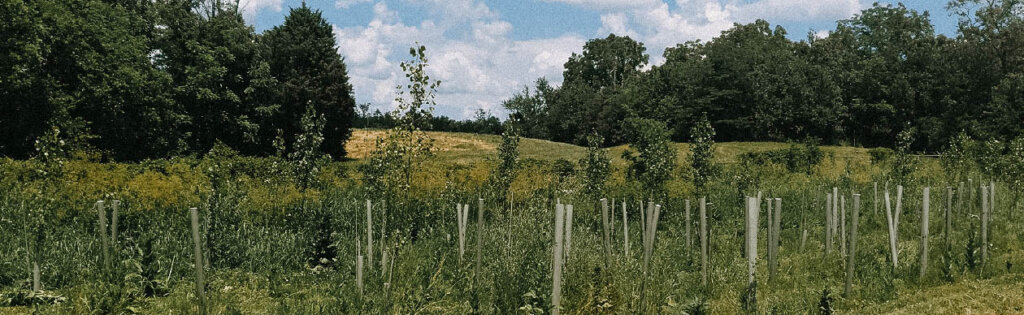
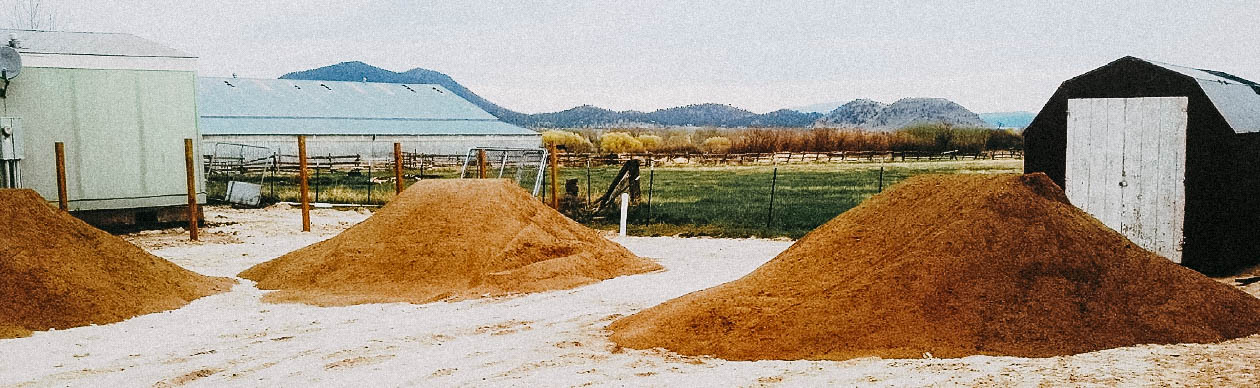
During reclamation, our team characterized, removed, and properly disposed of approximately 2,030 tons of metals-impacted soils.. Impacted soils were replaced with clean cover soil, and surface features were restored. Post-excavation restoration included planting new trees, placing new sod, importing clean gravel for driveways, and reconstructing fences and various landscaping features including planters, decorative rock walls, patios, and decks. Salvaged materials were used where possible in reconstruction.
Due to the project’s proximity to a city and state park, effective public communication was essential to the project’s success. Aware of potential impacts on nearby residents and motorists using the adjacent county road, the project team developed a traffic control plan to minimize public delays.