

High-resolution site characterization
Assessment and Remediation

Environmental Assessment Tools

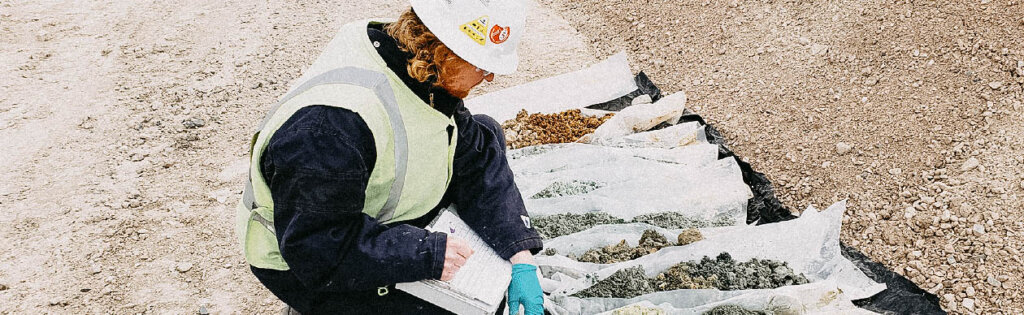
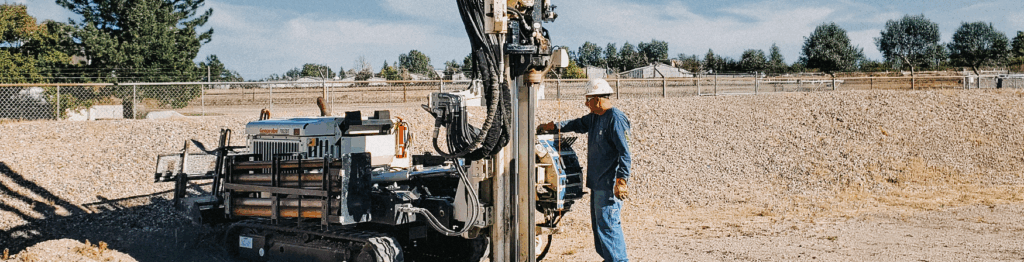
Beyond traditional discrete sampling, we employ advanced site characterization and field screening methods to accelerate site understanding and optimize decision-making. High-resolution site characterization (HRSC) tools, such as membrane interface probe and ultraviolet optical screening, provide near real-time subsurface data important for rapidly delineating petroleum and volatile organic compound impacts.

We routinely use HRSC tools such as hydraulic profiling, soil conductivity, and cone penetrometer tests to generate geologic and hydrologic data. Other specialized techniques include hydropunch sampling for discrete vertical groundwater profiling, passive soil gas sampling for assessing vapor intrusion risks and source areas, and numerous field test kits and portable instruments (photoionization detection, X-ray fluorescence, and multi-parameter water quality meters) for generating rapid results that guide field efforts.

FRITZ KREMBS, PE, PG
Trihydro Point of Contact
FRITZ KREMBS, PE, PG
Director of Remediation
Emerging Contaminants Sampling
Assessment and Remediation

Emerging Contaminants

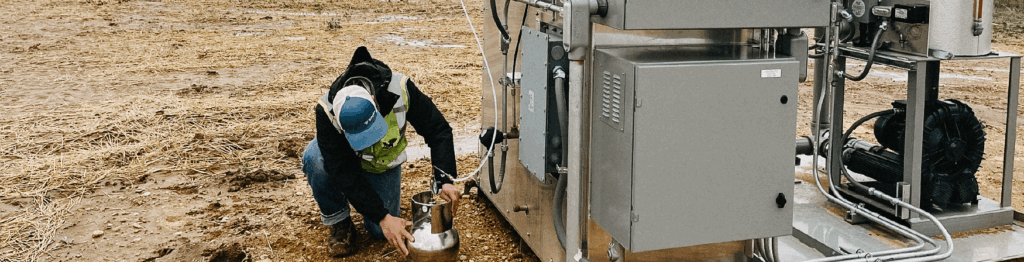
Addressing environmental liabilities increasingly involves managing emerging contaminants such as PFAS, 1,4-dioxane, and 1,2,3-trichloropropane. Trihydro is an industry leader in assessing these challenging emerging contaminants. We actively contribute technical content to the Interstate Technology & Regulatory Council (ITRC), engage in academic research partnerships, and provide client training to foster ongoing learning. Our chemists and engineers design strategic sampling plans, generating defensible data crucial for potential litigation.

Clients nationwide trust our technical expertise for complex emerging contaminant sites, including residential neighborhood investigations, remedial system installations, and pilot testing innovative in-situ solutions. Trihydro’s environmental remediation specialists collaborate with leading universities and industry vendors to deliver options tailored to your compliance needs, coordinating closely with legal counsel for investigations under legal scrutiny. We stay current with evolving environmental remediation technologies, such as activated carbon filtration, reverse osmosis, ion exchange, and foam fractionation, to provide you with a comprehensive range of effective alternatives.

FRITZ KREMBS, PE, PG
Trihydro Point of Contact
FRITZ KREMBS, PE, PG
Director of Remediation
Remedial Strategy Development
Assessment and Remediation

Environmental Remedial Strategy Development

Developing an effective remedial strategy begins with understanding both the starting point and the desired destination for a site. Trihydro lays the groundwork for this understanding by developing a comprehensive Conceptual Site Model (CSM), which concisely depicts the nature and extent of impacts, contaminant fate and transport processes, and potential receptor proximity. Our geologists and engineers employ 3D visualization tools such as Leapfrog to enhance our understanding of the subsurface and develop detailed CSMs.

Parallel to developing a CSM, Trihydro collaborates with clients and environmental regulatory agencies to establish clear and achievable end goals. This critical step involves defining target cleanup levels, considering applicable regulatory requirements, and establishing realistic timeframes. The remedial strategy is tailored through this process to bridge the gap between existing site conditions and the final project objectives.

FRITZ KREMBS, PE, PG
Trihydro Point of Contact
FRITZ KREMBS, PE, PG
Director of Remediation
ctive Remediation Systems
Assessment and Remediation

Active Environmental Remediation Systems

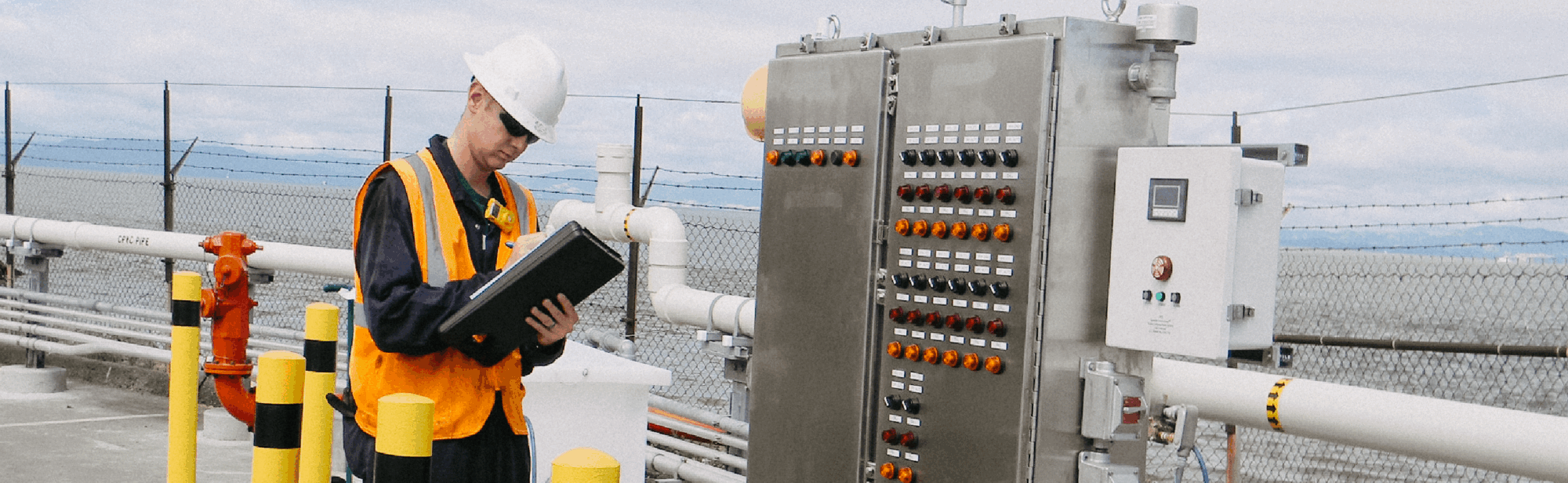
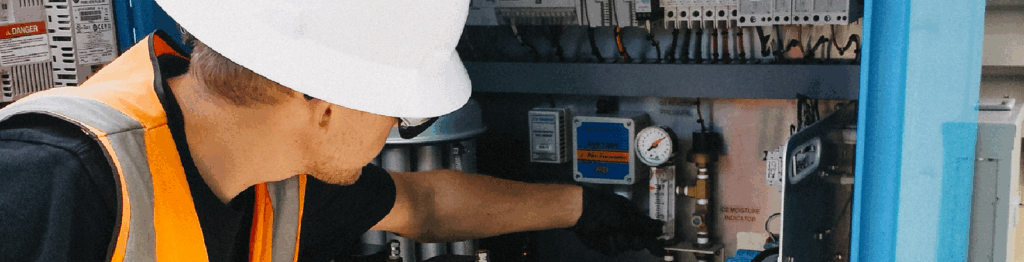
Trihydro provides comprehensive support across the entire lifecycle of active environmental remediation systems, beginning with site-specific scoping, technology selection, and design. Our expertise includes ex situ systems like pump-and-treat and soil vapor extraction. We also engineer and manage numerous in situ active systems, such as air sparging, ozone sparging, biosparging, dynamic groundwater recirculation, and thermal or heat-enhanced remediation techniques.

Trihydro assists clients with equipment procurement and provides construction oversight during installation, including retrofitting existing equipment for cost-effective reuse. We offer flexible operations and maintenance solutions, optimize systems for performance and efficiency, and guide the process through system shutdown, helping clients achieve regulatory closure goals.

FRITZ KREMBS, PE, PG
Trihydro Point of Contact
FRITZ KREMBS, PE, PG
Director of Remediation
In Situ and Passive Environmental Remediation
Assessment and Remediation

In Situ and Passive Environmental Remediation

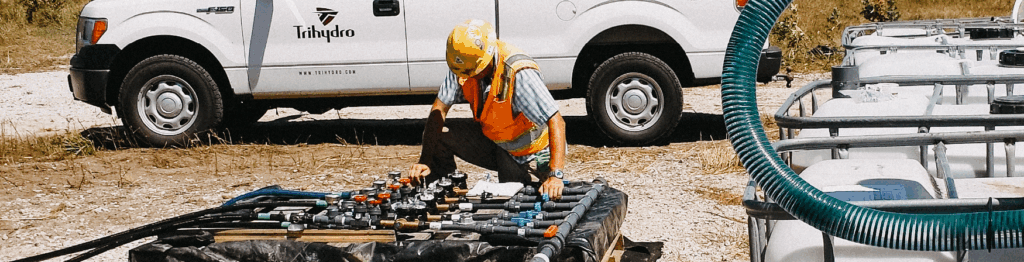
Our expertise encompasses advanced chemical and biological environmental remediation techniques applied directly underground. We have experience with in situ chemical oxidation and apply in situ chemical reduction using reagents like zero-valent iron. We also implement diverse in situ bioremediation (ISB) strategies, employing biostimulation or bioaugmentation for aerobic/anaerobic degradation of petroleum hydrocarbons, chlorinated solvents, and emerging compounds.

Trihydro also uses plant-based and natural attenuation remediation approaches, including phytoremediation, which uses plants for contaminant management, and monitored natural attenuation. We use multiple lines of evidence to verify that natural processes are effective and facilitate remedy changes. Additionally, Trihydro applies Natural Source Zone Depletion (NSZD) assessment techniques to quantify the natural degradation of petroleum residuals and support the transition to passive management.

FRITZ KREMBS, PE, PG
Trihydro Point of Contact
FRITZ KREMBS, PE, PG
Director of Remediation

Contact me to get started