
Wildfire Risk Mitigation Program: Utility Undergrounding
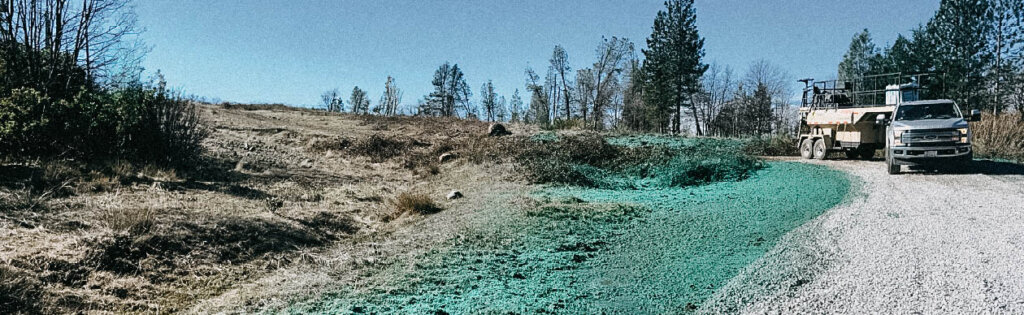
In response to California’s growing wildfire threats, a public utility launched a large-scale infrastructure hardening initiative to reduce wildfire risk. As part of this effort, the utility prioritized undergrounding thousands of miles of overhead powerlines—a proactive step to protect communities, critical infrastructure, and ecosystems. The utility called on Trihydro to provide comprehensive stormwater management services for the undergrounding project.
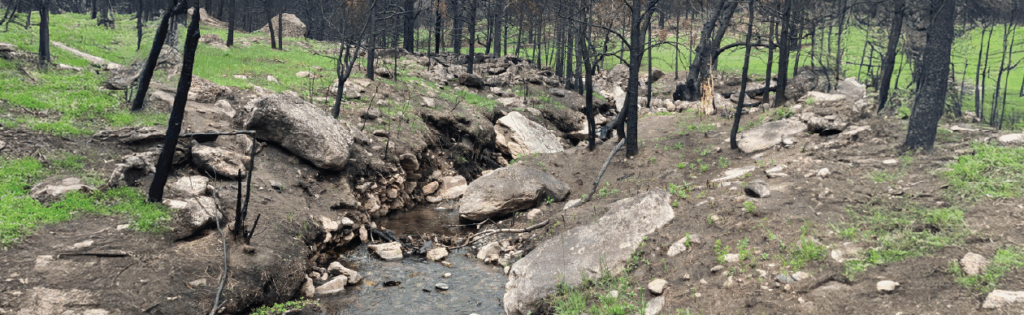
Overhead powerlines are especially susceptible to wildfire damage. Fires can sweep through corridors, downing lines and damaging poles, potentially leading to outages and ignitions. Undergrounding minimizes these risks, but the process, particularly trenching, disturbs soil and introduces stormwater compliance challenges.
Key Project Components
- Pre-construction environmental planning
- Stormwater Pollution Prevention Plan (SWPPP) development
- Site-specific Erosion and Sediment Control Plan (S-ESCP) development
- Best Management Practice (BMP) design and implementation
- Ongoing stormwater compliance management
- Field inspections and reporting
- Permit and site closure support
Trihydro’s early-stage involvement helped streamline permitting, eliminating the need to permit several project phases separately, resulting in significant time and cost savings. By integrating risk-based planning and regulatory expertise, we also helped reduce the utility’s stormwater compliance liability throughout the project.
Key Project Outcomes
- Enhanced wildfire resilience through undergrounding of critical infrastructure
- Streamlined permitting processes and reduced compliance costs
- Reduced stormwater-related environmental risk and regulatory exposure
- Supported long-term environmental stewardship alongside infrastructure modernization